
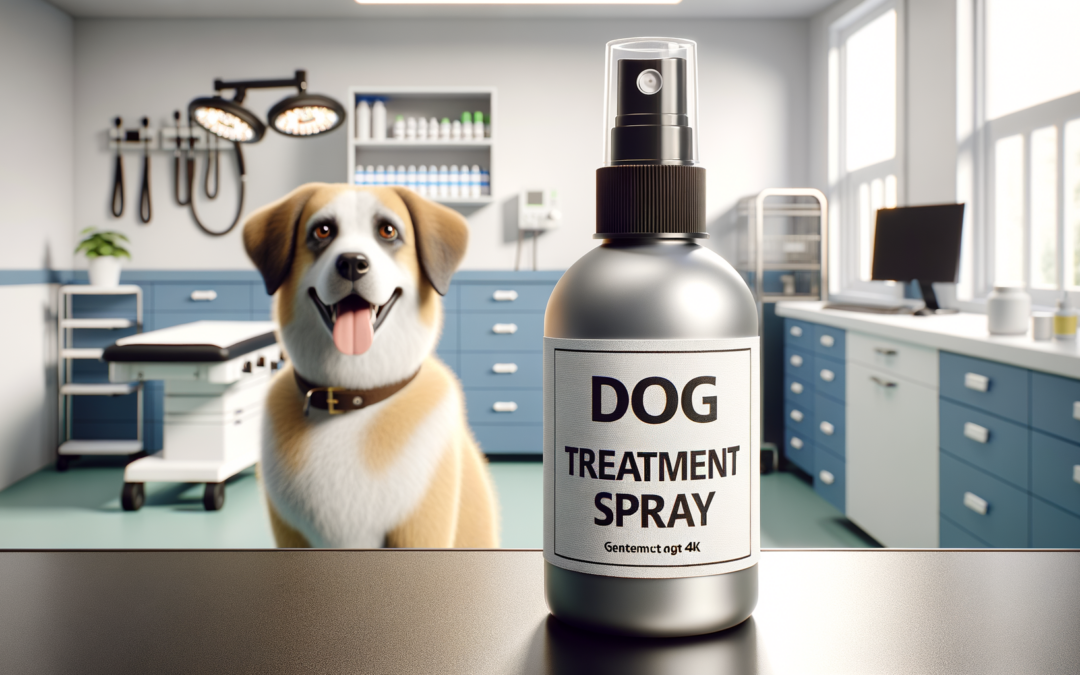
Accurate coverage is crucial when it comes to pest control, especially in the context of treating pets for fleas and ticks. These parasites can cause significant discomfort and health issues for our furry friends, making it essential to ensure that every inch of their skin is treated effectively. When applying flea and tick treatments, the goal is to create a barrier that prevents these pests from infesting your pet. If the coverage is uneven or insufficient, it can lead to gaps where fleas and ticks can thrive, ultimately undermining the effectiveness of the treatment.
Moreover, accurate coverage is not just about efficacy; it also plays a vital role in safety. Over-application of treatments can lead to adverse reactions in pets, including skin irritations or more severe health issues. Conversely, under-application may leave your pet vulnerable to infestations. Therefore, understanding how to achieve precise coverage with the right tools is essential for both the health of your pet and the peace of mind of their owner.
In the pursuit of effective pest control, understanding the implications of specialized treatment sprayers is crucial for achieving accurate coverage. For pet owners, this is particularly relevant when considering the prevention of diseases such as Lyme disease, which can affect dogs. An insightful article on this topic is available at Lyme Disease in Dogs: What Every Pet Owner Needs to Know, where you can learn more about the risks and preventive measures associated with tick-borne illnesses.
Key Takeaways
- Accurate coverage is crucial for effective pest and agricultural treatments, ensuring optimal results and minimizing waste.
- Precision pet sprayers and flea spray bottles enhance application accuracy, improving treatment effectiveness and pet safety.
- Specialized treatment sprayers help achieve an even coat, which is essential for consistent pest control and crop protection.
- Choosing the right treatment sprayer depends on factors like spray pattern, capacity, and ease of use to match specific needs.
- Proper maintenance and technological innovations in sprayers contribute to better performance and reduced environmental impact.
The Benefits of Using a Precision Pet Sprayer
Precision pet sprayers are designed specifically for the application of flea and tick treatments, offering several advantages over traditional methods. One of the primary benefits is their ability to deliver a consistent and controlled spray pattern. This ensures that the treatment reaches all areas of your pet’s body, including hard-to-reach spots like under the belly or behind the ears. With a precision sprayer, you can be confident that you are applying the right amount of product where it is needed most.
Another significant advantage of using a precision pet sprayer is the ergonomic design that many models feature. These sprayers are often lightweight and easy to handle, reducing strain on your hands and wrists during application. This is particularly important for pet owners who may need to treat their animals regularly. Additionally, many precision sprayers come equipped with adjustable nozzles, allowing you to customize the spray intensity based on your pet’s size and coat type. This level of customization enhances both comfort and effectiveness during treatment.
How a Flea Spray Bottle Can Improve Accuracy

A flea spray bottle is an essential tool for pet owners looking to improve the accuracy of their flea and tick treatments. Unlike traditional spray bottles that may dispense product unevenly, a specialized flea spray bottle is designed to provide a fine mist that covers your pet’s coat evenly. This fine mist ensures that every hair and inch of skin is treated, maximizing the effectiveness of the product while minimizing waste.
Additionally, many flea spray bottles feature clear measurement markings, allowing you to gauge how much product you are using. This feature is particularly beneficial for pet owners who need to adhere to specific dosage guidelines based on their pet’s weight or size. By using a flea spray bottle with accurate measurement capabilities, you can ensure that you are applying the correct amount of treatment without overdoing it, thus safeguarding your pet’s health.
Achieving an Even Coat with Specialized Treatment Sprayers
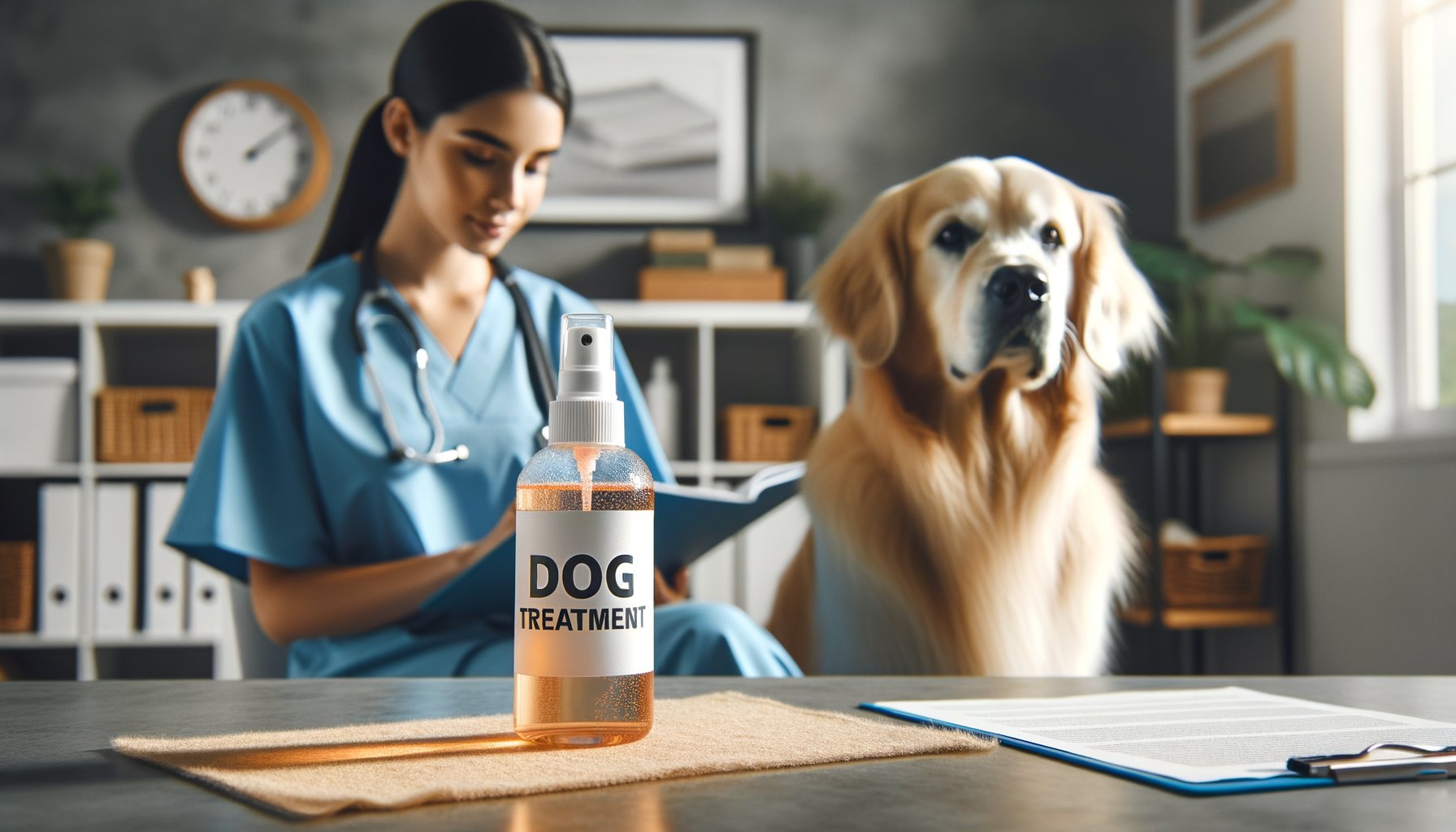
Achieving an even coat when applying flea and tick treatments is essential for effective pest control. Specialized treatment sprayers are designed to help pet owners accomplish this goal with ease. These sprayers often feature advanced nozzle technology that creates a uniform spray pattern, ensuring that every part of your pet’s body receives adequate coverage.
Moreover, many specialized treatment sprayers come with adjustable settings that allow you to control the spray width and intensity. This adaptability is particularly useful when treating pets with varying coat lengths or thicknesses. For example, a dog with a thick double coat may require a different spray setting than a short-haired cat. By using a specialized treatment sprayer, you can tailor your approach to suit your pet’s unique needs, resulting in more effective treatment and improved overall health.
In the quest for effective pest control, understanding the nuances of specialized treatment sprayers is crucial for achieving accurate coverage. A related article that delves into the importance of proper application techniques can be found at this link. By exploring the insights provided, readers can enhance their knowledge of how to optimize their sprayer usage, ensuring that treatments are both efficient and effective.
Factors to Consider When Choosing a Treatment Sprayer
| Metric | Description | Typical Range | Importance for Accurate Coverage |
|---|---|---|---|
| Spray Volume (L/ha) | Amount of liquid applied per hectare | 50 – 300 | Ensures sufficient coverage without runoff or waste |
| Droplet Size (µm) | Average diameter of spray droplets | 100 – 400 | Smaller droplets improve coverage but risk drift; balance is key |
| Spray Pressure (bar) | Pressure at which liquid is sprayed | 2 – 5 | Affects droplet size and spray pattern uniformity |
| Spray Speed (km/h) | Speed of sprayer movement | 5 – 15 | Impacts application rate and coverage consistency |
| Swath Width (m) | Width of area covered in one pass | 3 – 12 | Determines efficiency and overlap for uniform coverage |
| Application Accuracy (%) | Degree to which target area receives intended dose | 90 – 98 | Critical for effective treatment and minimizing waste |
| Drift Reduction (%) | Reduction in off-target spray drift | 30 – 70 | Protects environment and non-target areas |
When selecting a treatment sprayer for flea and tick applications, several factors should be taken into account to ensure optimal performance and safety. First and foremost, consider the size and breed of your pet. Larger animals may require sprayers with larger reservoirs or higher output capabilities to cover their entire body effectively. Conversely, smaller pets may benefit from more compact sprayers that allow for precise targeting.
Another important factor is the type of treatment you plan to use. Some sprayers are designed specifically for liquid treatments, while others may accommodate powders or granules as well. Ensure that the sprayer you choose is compatible with your preferred product to avoid any mishaps during application. Additionally, look for features such as adjustable nozzles and ergonomic handles that enhance usability and comfort during treatment.
Tips for Using Specialized Treatment Sprayers Effectively
Want a Pest-Free Home? Explore Our Prevention Tips to keep your living space safe and clean.
To maximize the effectiveness of specialized treatment sprayers, it’s essential to follow some best practices during application. First, always read the manufacturer’s instructions for both the sprayer and the treatment product before use. This will provide valuable information on proper usage techniques and safety precautions.
Before applying any treatment, ensure that your pet’s coat is clean and dry. This will help the product adhere better and improve its efficacy. When using the sprayer, hold it at an appropriate distance from your pet’s skin—typically around 6-12 inches—to achieve an even distribution without overwhelming them with too much product at once. Finally, take your time during application; rushing can lead to missed spots or uneven coverage.
The Role of Specialized Treatment Sprayers in Pest Control
Specialized treatment sprayers play a pivotal role in effective pest control strategies for pets. By providing precise application methods, these tools help ensure that flea and tick treatments are delivered accurately and efficiently. This precision not only enhances the effectiveness of the treatment but also contributes to overall pet safety by minimizing the risk of over-application.
Furthermore, specialized treatment sprayers can help reduce environmental impact by allowing for targeted application rather than broad-spectrum spraying. This means that only the areas needing treatment are covered, which can help prevent unnecessary exposure to chemicals in your home or yard. As pest control continues to evolve, specialized sprayers will remain an integral part of responsible pest management practices.
Specialized Treatment Sprayers for Agricultural Applications
While specialized treatment sprayers are commonly associated with pet care, they also have significant applications in agriculture. Farmers and gardeners use these tools to apply pesticides and herbicides with precision, ensuring that crops receive adequate protection from pests while minimizing chemical runoff into surrounding areas.
In agricultural settings, specialized treatment sprayers can be equipped with advanced technology such as GPS tracking and automated application systems. These innovations allow for even greater accuracy in coverage and dosage, ultimately leading to healthier crops and reduced environmental impact. As agricultural practices continue to evolve towards sustainability, specialized treatment sprayers will play a crucial role in achieving these goals.
The Environmental Impact of Accurate Coverage
Accurate coverage in pest control not only benefits pets but also has far-reaching implications for environmental health. When treatments are applied precisely, there is less risk of chemical runoff into waterways or unintended exposure to non-target species. This is particularly important in areas where wildlife habitats overlap with residential zones.
Moreover, by reducing the amount of product needed through accurate application techniques, we can decrease overall chemical usage in pest management practices. This not only helps protect local ecosystems but also contributes to more sustainable pest control methods overall. As awareness grows about environmental issues related to pesticide use, accurate coverage will become increasingly important in both residential and agricultural settings.
Maintenance and Care for Specialized Treatment Sprayers
To ensure optimal performance from specialized treatment sprayers, regular maintenance and care are essential. After each use, it’s important to clean the sprayer thoroughly to prevent clogs and residue buildup that could affect future applications. Rinse out any remaining product with warm water and use a soft brush or cloth to clean nozzles and other components.
Additionally, inspect your sprayer regularly for any signs of wear or damage. Check hoses for leaks or cracks and ensure that all parts are functioning correctly before each use. Proper storage is also crucial; keep your sprayer in a cool, dry place away from direct sunlight to prolong its lifespan. By taking these simple steps, you can ensure that your specialized treatment sprayer remains effective and reliable for years to come.
Innovations in Specialized Treatment Sprayers Technology
The field of specialized treatment sprayers has seen significant innovations in recent years, driven by advancements in technology and an increasing focus on efficiency and sustainability. One notable trend is the integration of smart technology into sprayer designs. Many modern sprayers now feature Bluetooth connectivity or smartphone apps that allow users to monitor application rates and track usage history.
Another exciting development is the emergence of battery-powered sprayers that offer cordless convenience without sacrificing power or performance. These models provide greater mobility during application while reducing reliance on traditional power sources. As technology continues to evolve, we can expect even more innovative features in specialized treatment sprayers that enhance usability and effectiveness in pest control applications.
In conclusion, understanding the importance of accurate coverage in pest control is vital for ensuring the health and safety of our pets while also protecting our environment. By utilizing precision pet sprayers and specialized treatment tools effectively, we can achieve optimal results in managing fleas and ticks while minimizing our ecological footprint. With ongoing innovations in technology and design, these tools will continue to play an essential role in responsible pest management practices for years to come.
Remove Ticks Safely: Shop Vet-Recommended Twisters & Tweezers
FAQs
What are specialized treatment sprayers?
Specialized treatment sprayers are equipment designed to apply precise amounts of liquids such as pesticides, herbicides, or fertilizers to targeted areas. They are engineered to ensure accurate coverage, minimizing waste and environmental impact.
How do specialized treatment sprayers achieve accurate coverage?
These sprayers use advanced nozzles, adjustable pressure settings, and precise control mechanisms to deliver uniform spray patterns. Some models incorporate GPS technology and sensors to optimize application rates and target specific zones effectively.
What types of applications benefit from using specialized treatment sprayers?
Specialized treatment sprayers are ideal for agricultural fields, orchards, turf management, and greenhouse environments where precise application of chemicals is critical to crop health and environmental safety.
What are the advantages of using specialized treatment sprayers over conventional sprayers?
They provide improved accuracy, reduced chemical usage, lower environmental contamination, enhanced operator safety, and better overall treatment efficacy compared to conventional sprayers that may apply chemicals less uniformly.
How should specialized treatment sprayers be maintained for optimal performance?
Regular cleaning of nozzles, calibration of spray rates, inspection of hoses and seals, and timely replacement of worn parts are essential maintenance practices to ensure consistent and accurate coverage from specialized treatment sprayers.