
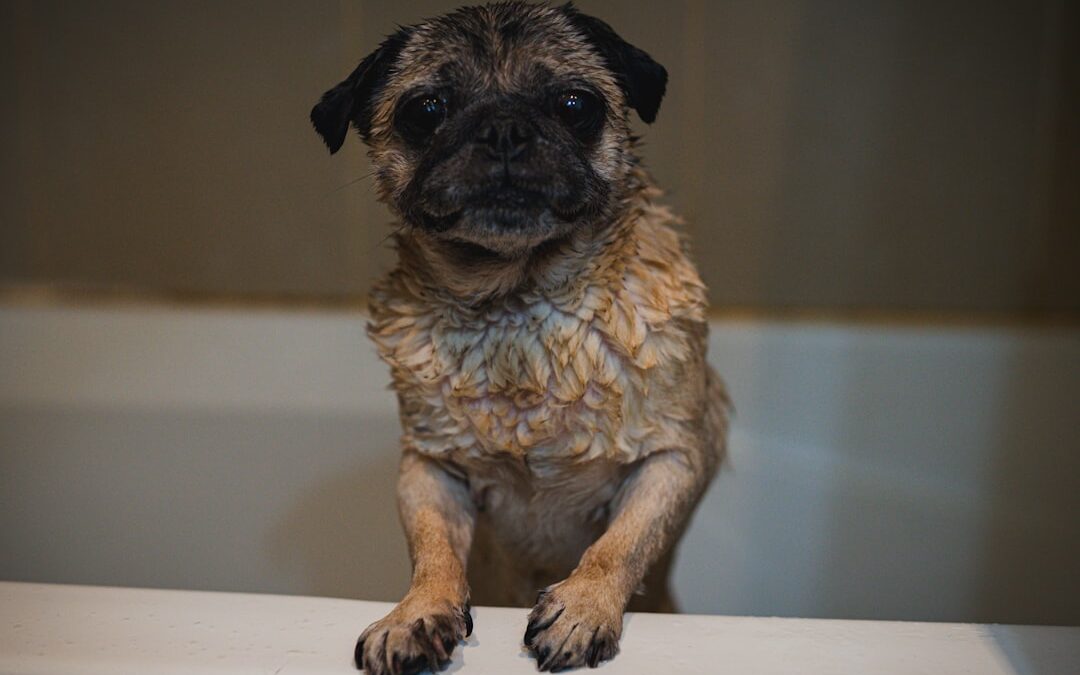
Flea prevention is crucial for puppies, as these tiny pests can cause significant discomfort and health issues. Fleas are not just a nuisance; they can lead to serious skin irritations, allergic reactions, and even anemia in young dogs. Puppies have delicate immune systems, making them more vulnerable to the harmful effects of flea infestations. By implementing a flea prevention strategy early on, you can help ensure your puppy remains healthy and happy.
Moreover, fleas can also transmit various diseases and parasites, such as tapeworms. This risk is particularly concerning for puppies, who may not yet have developed the robust immune systems needed to fight off infections. Regular flea prevention not only protects your puppy but also helps maintain a healthy environment in your home. A flea-free puppy is less likely to spread these pests to other pets or family members, creating a safer living space for everyone.
If you’re looking for more information on keeping your furry friend safe and healthy, you might find our article on pet grooming tips particularly helpful. It covers essential practices to ensure your puppy’s grooming experience is enjoyable and stress-free. You can read it here: Pet Grooming Tips.
Key Takeaways
- Flea prevention is crucial for puppies to avoid discomfort and health issues.
- Proper bathing techniques and safe flea bath products are essential for effective flea removal.
- Watch for signs of flea infestation such as itching, redness, and visible fleas on your puppy.
- Be cautious during flea baths to protect your puppy’s sensitive skin and overall health.
- Monitor puppies for symptoms like shifting leg lameness, joint pain, and signs of Anaplasma infection.
Step-by-Step Guide to Safely Bathing Your Puppy for Fleas
Bathing your puppy is an essential part of flea control. However, it’s important to do it safely and effectively. Start by gathering all necessary supplies: a gentle puppy shampoo, a non-slip mat for the tub or sink, towels, and a cup or handheld sprayer for rinsing. Make sure the water temperature is lukewarm; too hot or too cold can be uncomfortable for your puppy.
Begin by wetting your puppy’s coat thoroughly, avoiding the eyes and ears. Apply the shampoo according to the instructions on the label, lathering it gently into the fur. Pay special attention to areas where fleas tend to hide, such as under the belly and around the neck. After a few minutes, rinse your puppy thoroughly to remove all soap residue. Leaving shampoo in the fur can irritate the skin and lead to further issues.
Choosing the Right Flea Bath Products for Your Puppy

Selecting the right flea bath products is vital for your puppy’s safety and comfort. Look for shampoos specifically formulated for puppies, as they are typically milder and free from harsh chemicals that could irritate sensitive skin. Ingredients like oatmeal or aloe vera can soothe the skin while effectively combating fleas. Always read labels carefully to ensure the product is safe for your puppy’s age and weight.
In addition to shampoos, consider using flea treatments that are designed for puppies. These may include topical treatments or oral medications that provide longer-lasting protection against fleas. Consult your veterinarian for recommendations tailored to your puppy’s specific needs. They can help you navigate the myriad of options available and choose products that will be both effective and safe.
Precautions to Take When Bathing a Puppy for Fleas
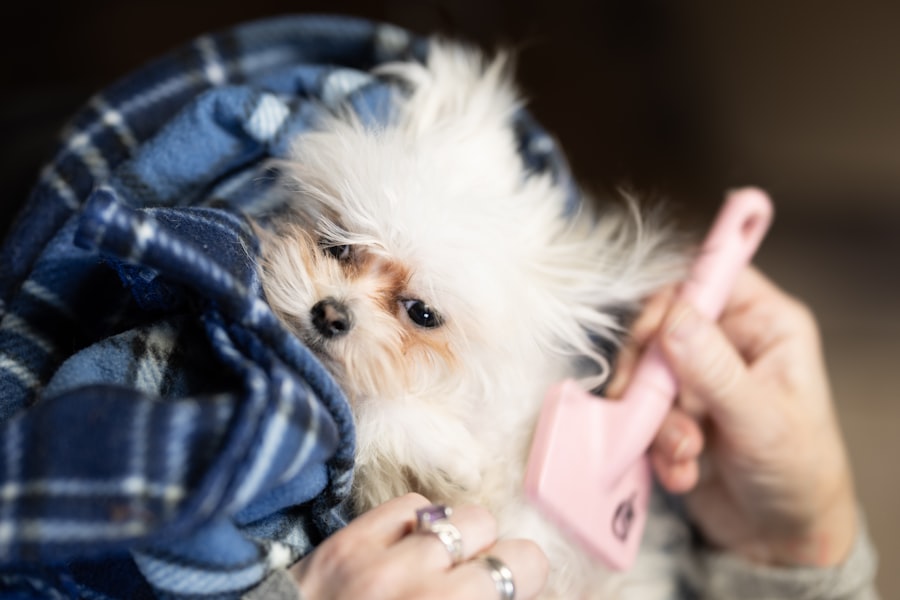
Bathing a puppy requires careful attention to safety precautions. First and foremost, never leave your puppy unattended in water, even for a moment. Puppies can be wiggly and may slip or panic if they feel insecure. Use a non-slip mat in the tub or sink to help them feel more stable during the bath.
Additionally, be cautious about getting water in your puppy’s ears and eyes. This can lead to infections or discomfort. To prevent this, you can use cotton balls in their ears while bathing, but be sure to remove them afterward. Always rinse thoroughly to ensure no shampoo residue remains on their skin, as this can cause irritation or allergic reactions.
If you’re preparing for your puppy’s first flea bath, you might also find it helpful to read about the various treatments available for flea and tick prevention. A great resource is the article on the essential guide to Amazon Basics flea and tick treatment for dogs, which provides insights into effective products and their application. Understanding these treatments can complement your bathing routine and ensure your puppy stays comfortable and protected. For more information, check out the article here.
Signs of Flea Infestation in Puppies
| Step | Action | Recommended Product Type | Safety Tips | Estimated Time |
|---|---|---|---|---|
| 1 | Prepare the Bathing Area | Non-slip mat | Ensure warm water temperature; avoid slippery surfaces | 5 minutes |
| 2 | Brush Puppy’s Coat | Soft-bristle brush | Be gentle to avoid skin irritation | 5-10 minutes |
| 3 | Apply Flea Shampoo | Puppy-safe flea shampoo (tear-free, hypoallergenic) | Read label for age restrictions; avoid eyes and ears | 2-3 minutes |
| 4 | Massage Shampoo into Coat | N/A | Use gentle strokes; avoid sensitive areas | 3-5 minutes |
| 5 | Rinse Thoroughly | Warm water | Ensure no shampoo residue remains to prevent irritation | 3-5 minutes |
| 6 | Dry Puppy | Soft towel or low-heat dryer | Pat dry gently; avoid high heat from dryers | 10-15 minutes |
| 7 | Post-Bath Flea Treatment | Veterinarian-approved flea preventatives | Follow dosage instructions carefully | Varies |
Recognizing the signs of flea infestation in puppies is essential for prompt treatment. One of the most common indicators is excessive scratching or biting at their skin. If you notice your puppy constantly pawing at themselves or rolling on the ground, it may be time to check for fleas. Look closely at their fur and skin; you might see small black specks (flea dirt) or even adult fleas scurrying away.
Another sign of flea infestation is hair loss or hot spots on the skin caused by constant scratching. Puppies may develop red, inflamed areas that can become infected if not treated promptly. If you suspect your puppy has fleas, act quickly to implement a treatment plan to alleviate their discomfort and prevent further health issues.
Dealing with Shifting Leg Lameness in Puppies
Shifting leg lameness in puppies can be concerning for pet owners. This condition often manifests as an intermittent limp that seems to shift from one leg to another. It can be caused by various factors, including growth spurts, joint issues, or even infections. If you notice your puppy limping or favoring one leg over another, it’s essential to consult your veterinarian for a thorough examination.
In some cases, shifting leg lameness may indicate underlying health issues such as hip dysplasia or panosteitis, which is common in large breed puppies. Early diagnosis and intervention are crucial in managing these conditions effectively. Your veterinarian may recommend rest, anti-inflammatory medications, or specific exercises to help alleviate pain and promote healthy joint development.
Recognizing Symptoms of Anaplasma in Puppies
Anaplasma is a tick-borne disease that can affect puppies and adult dogs alike. Recognizing its symptoms early is vital for effective treatment. Common signs include fever, lethargy, loss of appetite, and joint pain. If your puppy exhibits any of these symptoms after being exposed to ticks, it’s essential to seek veterinary care promptly.
In some cases, Anaplasma can lead to more severe complications if left untreated. Your veterinarian may perform blood tests to confirm the diagnosis and recommend appropriate treatment options, which may include antibiotics and supportive care. Keeping your puppy protected from ticks through preventive measures is crucial in reducing the risk of Anaplasma and other tick-borne diseases.
Managing Joint Pain in Puppies
Managing joint pain in puppies requires a multifaceted approach that includes proper care and attention to their needs. If you notice signs of discomfort—such as limping, reluctance to play, or difficulty getting up—consult your veterinarian for guidance. They may recommend pain relief medications or supplements designed specifically for young dogs.
In addition to medication, maintaining a healthy weight is crucial in managing joint pain. Excess weight puts additional strain on developing joints and can exacerbate discomfort. Regular exercise is also important; however, it should be balanced with rest periods to avoid overexertion. Gentle activities like short walks or play sessions can help keep your puppy active without causing undue stress on their joints.
In conclusion, caring for a puppy involves understanding their unique needs and challenges. From flea prevention to managing joint pain, being proactive ensures a happy and healthy life for your furry friend. Always consult with your veterinarian when in doubt; they are your best resource for keeping your puppy safe and thriving.
Protect Your Dog Now: Save 20% on Top Flea & Tick Brands
FAQs
1. When is the right time to give a puppy their first flea bath?
Puppies can typically have their first flea bath once they are at least 8 weeks old, as younger puppies have more sensitive skin and may react poorly to flea treatments. Always consult your veterinarian before starting flea treatments.
2. What types of flea products are safe for puppies?
Only use flea products specifically labeled as safe for puppies. These often include gentle shampoos, sprays, or spot-on treatments formulated for young dogs. Avoid adult flea products, as they may contain chemicals harmful to puppies.
3. How should I prepare my puppy for their first flea bath?
Before the bath, brush your puppy gently to remove any loose dirt or debris. Use lukewarm water and ensure the bathing area is comfortable and secure. Have all flea bath products and towels ready to minimize stress and exposure time.
4. What are the key safety steps during a puppy’s flea bath?
Avoid getting flea shampoo in the puppy’s eyes, ears, and mouth. Follow the product instructions carefully regarding application time and rinsing. Rinse thoroughly to remove all shampoo residue, and dry the puppy gently but completely to prevent chills.
5. How often should flea baths be given to puppies?
Flea baths should not be given too frequently, as over-bathing can dry out a puppy’s skin. Typically, flea baths are used as needed or as directed by a veterinarian, often no more than once every 7 to 14 days during flea season or infestation.